Header

Search

Language, Technology and Accessibility

Abstract sketch of a human head, depicted using black lines. The brain, ears, eye and mouth are highlighted with dark blue lines. Between them is a computer chip, depicted in a sketchy style in light blue.

Welcome to the webpage of our chair!

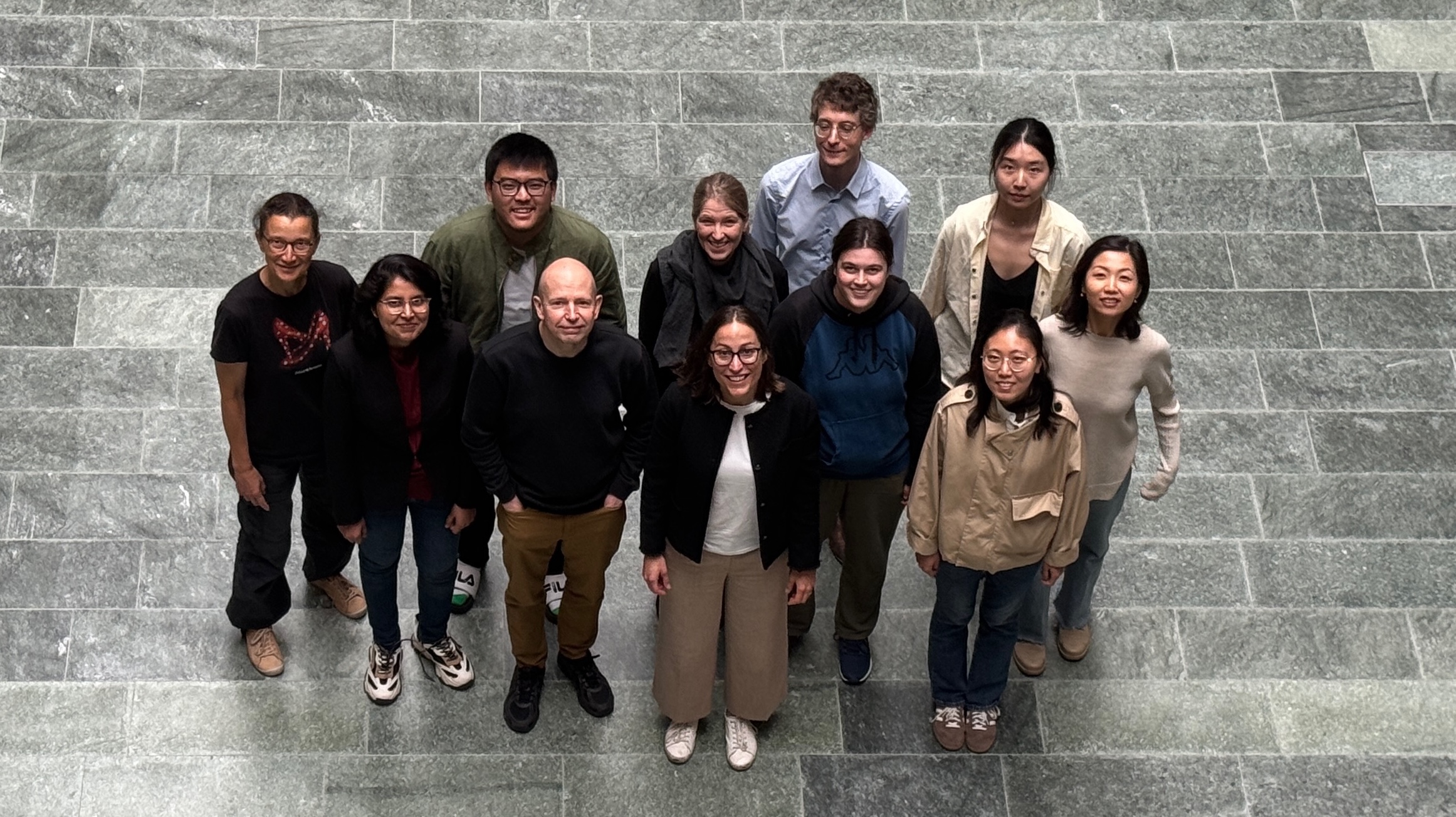
From left to right: Anne Göhring, Mounika Kanakanti, Zifan Jiang, Jason Armitage, Patricia Scheurer, Sarah Ebling, Mathias Müller, Anja Ryser, Longqian Ming, Chuqiao Yan, Yang Tian; not pictured: Frederik Güntensperger, Yasser Hamidullah, Sant Muniesa, Annette Rios, Laura Setz, Jana Vanecek, Michael Vogt

Our chair deals with language-based assistive technologies and digital accessibility/inclusion. Our focus is on basic and application-oriented research.
    
We subscribe to a broad definition of language and communication, in line with the UN Convention on the Rights of Persons with Disabilities (UN CRPD); as such, we deal with spoken language (text and speech), sign language, simplified language, Braille, pictographs, etc.

We combine language and communication with technology and accessibility/inclusion in two ways:

  1. We develop language-based technologies, most often relying on deep learning (artificial intelligence) approaches.
  2. We investigate the reception of these technologies among the users, e.g., through comprehension studies.

Our technologies focus on the contexts of hearing impairments, visual impairments, cognitive impairments, and language disorders.

The group is headed by Prof. Dr. Sarah Ebling.
Hallmarks of our group

Additional Information

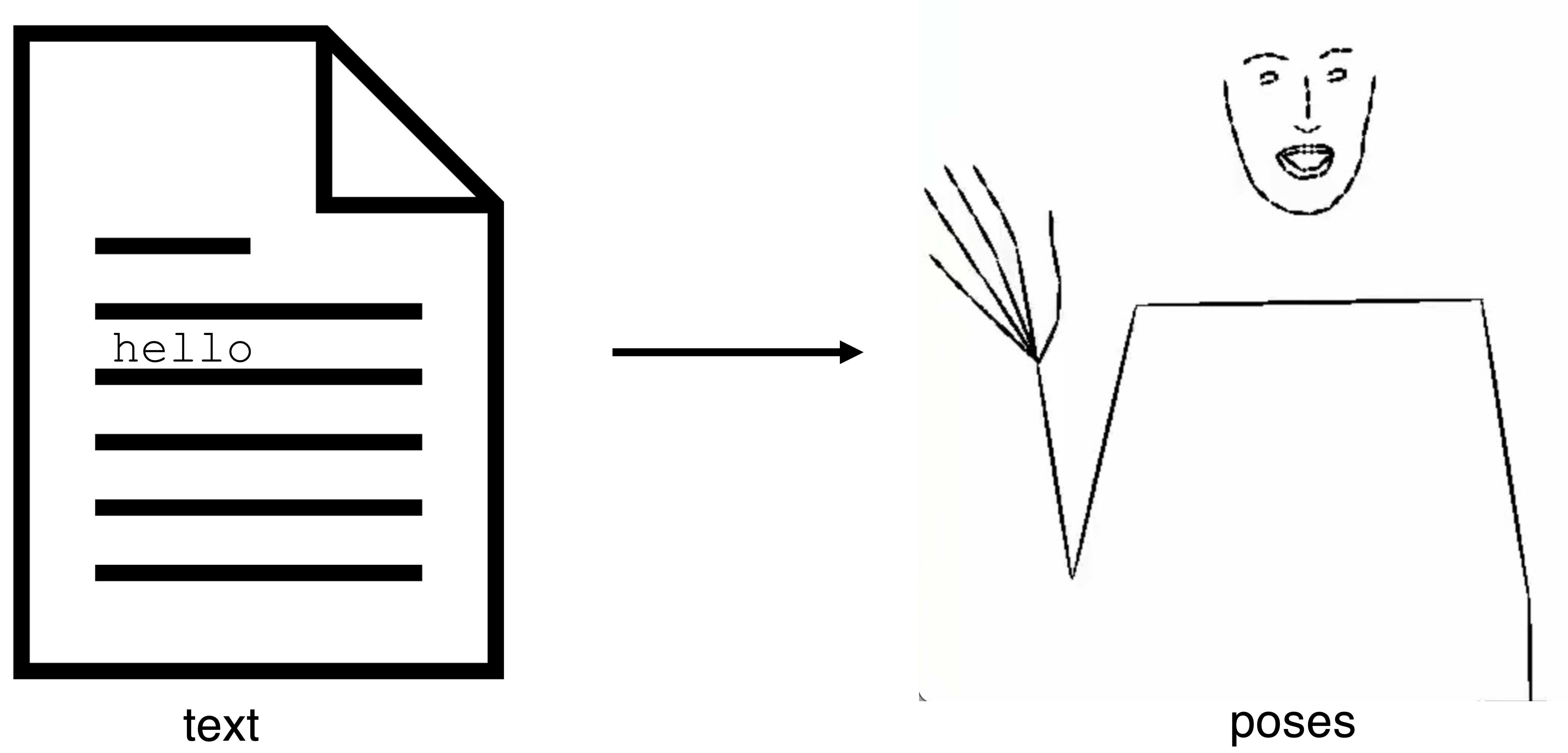
Visualization of the process of translating text (displayed with a text icon that reads "hello") one one side to sign language skeletal poses on the other side

Multimodality

We deal with assistive technologies and aspects of digital accessibility across modalities, e.g., with different production modalities (manual and non-manual components) in sign languages, with text and video as part of automatic translation of audio descriptions, with text and images as part of automatic text simplification, or with text and pictographs.

Illustration of two hands shaking

Multidisciplinarity

We combine methods and techniques from the disciplines of language technology, linguistics, computer science (including computer vision), and special education. We collaborate with researchers from these and from other disciplines, such as ethics, psychology, rehabilitation sciences, or media and communication sciences.

News